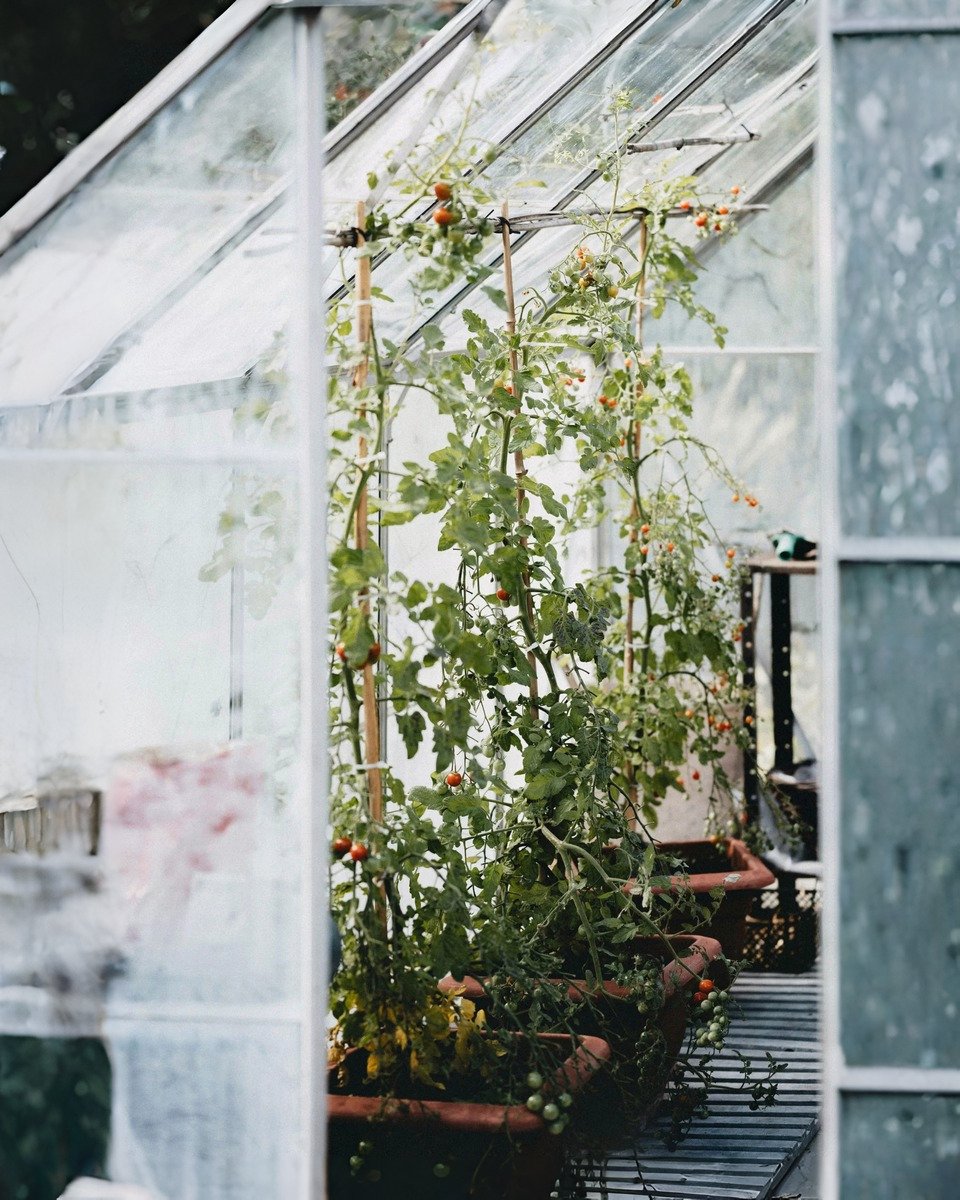
How to Grow Tomatoes in a Pot
Growing tomatoes in a pot is an easy and rewarding way to enjoy fresh, homegrown tomatoes even if you do not have a large garden. Tomatoes can grow successfully on balconies, terraces, patios, and other small spaces as long as they receive enough sunlight, water, nutrients, and support.
With the right pot, soil, tomato variety, and basic care, you can grow a healthy tomato plant and enjoy a good harvest at home.
Choosing the Right Tomato Variety
Before planting, choose a tomato variety that is suitable for container gardening. Determinate varieties are easier to grow, and dwarf varieties are often easier to manage in pots because they remain relatively compact.
Look for varieties described as:
- Dwarf or compact
- Patio tomatoes
- Container-friendly
- Determinate varieties
Indeterminate tomatoes can also be grown in containers, but they usually require a larger pot, strong support, and more pruning because they continue to grow for a long time.
Choose the right pot
The size of the pot is one of the most important factors when growing tomatoes. Choose a container that is at least 12–18 inches (30–45 cm) wide and deep for one tomato plant. Larger varieties may perform better in a pot that is 20 inches in diameter or more.
The pot should have several drainage holes at the bottom. Good drainage prevents excess water from accumulating around the roots.
Avoid overcrowding the container. Generally, growing one tomato plant per pot gives the plant more room for its roots and reduces competition for water and nutrients.
Use good soil
Tomatoes grow best in loose, fertile, well-draining soil. Container soil should hold enough moisture for the plant while still allowing excess water to drain away.
A simple homemade potting mix can include:
- 20% cocopeat
- 50% good-quality garden soil
- 30% compost or well-rotted organic manure
Mix the ingredients thoroughly before planting. If your garden soil is very heavy or clay-like, avoid filling the entire pot with it, as it can compact and drain poorly. A quality potting mix is usually better for container tomatoes.
Plant the tomato
You can grow tomatoes from seeds or purchase a healthy young seedling from a nursery.
Growing From Seeds
Fill a small seed tray or container with a moist seed-starting mix. Place the tomato seeds according to the seed packet instructions and cover them lightly with soil. Keep the soil moist but not waterlogged. Place the container in a warm location with adequate light. Once the seedlings have developed several true leaves and are strong enough to transplant, move them into a larger pot.
Planting a Tomato Seedling
Fill the pot with your prepared soil mixture, leaving some space at the top. Make a hole large enough to accommodate the seedling’s root ball. Carefully remove the seedling from its original container and place it in the hole. Tomatoes can develop roots from buried portions of their stem, so you can plant the seedling somewhat deeper than it was growing in its original container, provided the leaves remain above the soil. Fill around the roots with soil and gently press it down. Water thoroughly after planting.
Give plenty of sunlight
Tomatoes are sun-loving plants and generally need around 6–8 hours of direct sunlight each day for strong growth and good fruit production. Place the pot in a location that receives plenty of sunlight, such as a sunny balcony, a terrace, a patio, a sunny garden area, or near a bright outdoor wall or railing.
If the plant receives too little sunlight, it may become weak and spindly, and fruit production may decrease.
Water correctly
Proper watering is essential because containers can dry out faster than garden soil. Check the soil regularly by inserting your finger about an inch into the surface. If the soil feels dry, water the plant thoroughly. When watering, water slowly around the base of the plant. Continue until some water begins to drain from the bottom. Allow excess water to escape through the drainage holes. Avoid leaving the pot sitting in stagnant water.
Try to keep moisture relatively consistent. Allowing the plant to become extremely dry and then suddenly giving it a large amount of water can contribute to problems such as fruit cracking. Also, try to water the soil rather than constantly wetting the leaves. During hot weather, container tomatoes may require more frequent watering because pots lose moisture quickly.
Fertilize regularly
Tomatoes need a steady supply of nutrients throughout the growing season. Compost or well-rotted organic manure can be added to the soil to provide nutrients. You can also use a fertilizer formulated for vegetables or tomatoes and follow the manufacturer’s instructions.
Avoid applying excessive nitrogen fertilizer. Too much nitrogen can encourage lots of leafy growth while reducing flowering and fruit production.
When the plant begins to flower and set fruit, providing adequate phosphorus and potassium can support flowering and fruit development.
Support the plant
Many tomato plants become heavy as they grow and produce fruit. Without support, the stems can bend or break.
Install a support such as:
- A bamboo stake
- Tomato cage
- Garden trellis
- Strong plant stake
It is best to install the support soon after planting rather than waiting until the plant becomes large. As the tomato grows, gently tie the main stem to the support using soft garden ties. Avoid tying the stem too tightly.
Pruning Tomato Plants
The amount of pruning required depends on the tomato variety. Determinate varieties usually require less pruning because they naturally stop growing once they reach a certain size. Indeterminate varieties can continue to produce new shoots and may benefit from removing unwanted suckers and lower leaves.
Do not unnecessarily remove large numbers of healthy leaves. Tomato leaves help the plant produce energy through photosynthesis and also help protect developing fruit from excessive sunlight.
Help with flowering
Tomato flowers generally contain both male and female reproductive parts, so they can pollinate themselves. Outdoor plants are often helped by wind and insects. If your potted tomato is growing on a sheltered balcony or another location with little air movement or insect activity, gently shaking the flower clusters can help distribute pollen.
You can do this when the flowers are open, preferably during dry conditions.
Mulching Tomato Plants
Adding a thin layer of organic mulch to the soil surface can help reduce moisture loss and keep soil temperature more stable.
Suitable materials can include:
- Dry leaves
- Straw
- Compost
- Other suitable organic mulch
Keep the mulch slightly away from the main stem to reduce the risk of excessive moisture around the stem.
Common problems
Yellowing of leaves can be caused by overwatering, poor nutrition, insufficient sunlight, or the natural aging of older leaves. Check the soil moisture, drainage, sunlight, and feeding routine before making changes.
Flowers may fall without developing into fruit because of environmental stress, particularly very high temperatures, inconsistent watering, or poor pollination. Keeping the plant properly watered and providing suitable growing conditions can help.
Cracks often appear when the plant experiences irregular moisture. For example, the soil may become very dry and then receive a large amount of water. Try to maintain more consistent soil moisture.
Leaf curling can occur due to heat, watering issues, pests, or other environmental stress. Inspect the plant carefully for insects and check whether the soil is excessively dry or wet.
Tomatoes can attract pests such as aphids, whiteflies, caterpillars, and other insects. Inspect the stems, leaves, and undersides of leaves regularly. If you notice pests, identify them before choosing a treatment.
Harvesting
Tomatoes are ready to harvest when they have developed their characteristic mature color and have a slightly firm texture. Depending on your preference, you can harvest them when they are fully ripe or when they have begun to change color, then allow them to finish ripening indoors.
Use clean hands or pruning scissors to remove the fruit carefully without damaging the plant. Regular harvesting can encourage continued production in varieties that continue to produce fruit.
Frequently Asked Questions
Can tomatoes grow well in pots?
Yes. Tomatoes can grow very well in pots when they have enough root space, sunlight, water, nutrients, and support.
How big should a pot be for a tomato plant?
A pot at least 12–18 inches in diameter and depth is a good starting point for many tomato plants. Larger varieties may need an even larger container.
How often should I water tomatoes in a pot?
There is no single watering schedule because temperature, pot size, soil, and weather all affect how quickly the soil dries. Check the soil regularly and water when the topsoil is dry, while avoiding waterlogging.
How many tomato plants should I put in one pot?
For most container situations, it is best to grow one tomato plant per pot. This gives the roots enough space and reduces competition for water and nutrients.