How to Grow Snake Plant
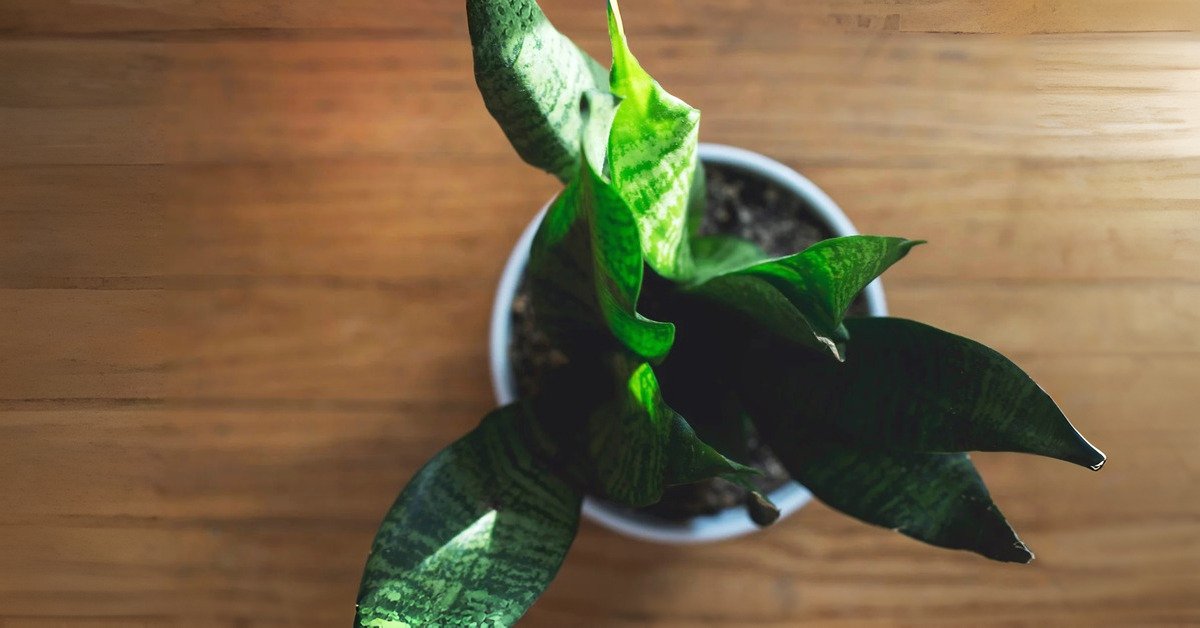
Snake plant (also called Sansevieria trifasciata) is one of the easiest plants to grow. They thrive for years with a bit of neglect and minimal care. It has sword-shaped leaves. Also, it needs very little water and sunlight, making it an ultimate plant for beginners.
Light and Soil Requirements
Snake plants can adapt to a wide range of lighting conditions. Bright indirect light helps in faster growth, stronger leaves, and richer color. The plant can grow in a low-light room, but it grows more slowly. It is best to avoid the harsh afternoon sun, which can scorch the leaves.
Snake plants require fast-draining soil. A cactus or succulent potting mix works well because it prevents water from remaining around the roots. Also, a pot with drainage holes is essential.
Water and Temperature Requirements
Overwatering is the most common reason snake plants fail. Water only when the soil is completely dry. Water every 2–3 weeks in spring and summer. During autumn and winter, water every 4-6 weeks, depending on indoor temperature and humidity. Always check the soil with your finger before watering. If it feels damp, wait a few more days.
Snake plants prefer warm temperatures. Ideal temperature range: 18–30°C (65–86°F). Average indoor humidity is sufficient, and no misting is required. Protect from temperatures below 10°C (50°F).
Fertilizer Requirements
As snake plants are light feeders, occasional fertilization supports healthy growth. Feed once a month during spring and summer. Also, use a balanced liquid fertilizer diluted to half strength. Do not fertilize during winter. Too much fertilizer may damage the roots.
Repotting
Repot your snake plant every 2–3 years or when roots begin growing through the drainage holes. Choose a container only one size larger than the current pot.
Propagation
There are two common propagation methods:
1. Growing snake plant through the division method
This is the fastest and most reliable method. Remove the plant from its pot. Separate healthy rhizomes with roots attached. Then plant each division in a new container. Also, then water lightly.
2. Growing snake plant through the leaf cuttings method
Cut a healthy leaf into 5–10 cm (2–4 inch) sections. Let the cut ends dry for 1–2 days. Plant the correct end into slightly moist soil. Keep in bright, indirect light. New roots and shoots usually appear after several weeks to a few months.
Common Problems
Yellow Leaves
It is usually caused by overwatering. For healthy leaves, allow the soil to dry completely and reduce watering frequency.
Brown Leaf Tips
It can be caused by underwatering, salt/fluoride buildup, or low humidity. For healthier leaves, water appropriately and occasionally flush the soil with clean water.
Soft or Mushy Leaves
It can be caused by root rot due to excessive moisture. To prevent this, remove damaged roots, replace the soil, and reduce watering.
Slow Growth
It is caused by low light or nutrient deficiency. Move the plant to a location with brighter indirect light and fertilize during the growing season.
Frequently Asked Questions
Are Snake Plants Toxic to Cats?
Yes. Snake plants are toxic to cats because they contain natural compounds called saponins. If a cat chews or eats the leaves, it may experience symptoms such as drooling, vomiting, diarrhea, nausea, or loss of appetite.
Does a snake plant need direct sunlight to grow?
No. Bright, indirect light is ideal. Limited morning sun is usually acceptable, but intense afternoon sunlight can damage the leaves.
Can a snake plant stay outdoors?
Yes, in warm climates where temperatures remain above 10°C (50°F). In colder regions, they should be kept indoors or brought inside before temperatures drop.
Why are my snake plant leaves falling over?
This is often caused by overwatering, root rot, physical damage, or insufficient light.