How to Grow Sweet Potatoes
To grow sweet potatoes, you will need many things, including sweet potato slips, a sunny location and well-drained soil. Growing sweet potatoes can be a rewarding experience. Sweet potatoes are a delicious and nutritious vegetable. Sweet potatoes are easy-to-grow vegetables. Also, they thrive in warm climates.
Grow sweet potatoes in 7 steps
1. Start with a healthy sweet potato
Buy a firm, untreated sweet potato from a grocery store or nursery. It should be healthy and firm with no signs of rot. Buy carefully, as some sweet potatoes in stores are treated with sprout inhibitors that prevent them from producing slips. It should be free from cracks, cuts, bruises, or deep scratches, as they can increase the risk of rot and disease. Choose a mature sweet potato, not a very small or immature one.
2. Growing slips
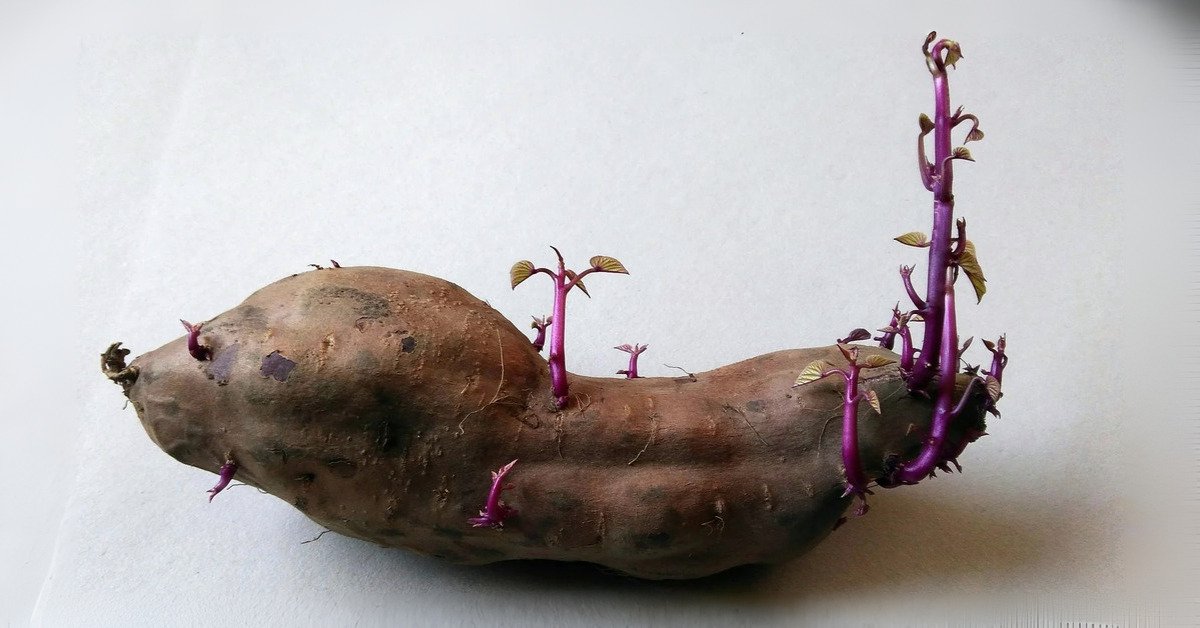
Sweet potato slips are young shoots that grow from mature sweet potatoes. These slips are used to plant and grow sweet potatoes, as sweet potatoes are not grown from cut tubers like regular potatoes. There are two methods of growing slips from sweet potatoes:
Method 1: Growing slips in water
Choose a healthy, firm sweet potato with no cuts or bruises. Then insert 3-4 toothpicks into the middle of the sweet potato. After that, place the sweet potato in a glass or jar so that the bottom half is submerged in water and the top half remains above the water. It should be done in such a way that the middle of the sweet potato is held by the toothpicks and rests on the rim of the glass or jar. This allows the root to grow from the bottom of the water and the slips (shoots) to grow from the surface.
Keep the container in a warm location (70–80°F or 21–27°C) with bright, indirect sunlight to help the sweet potato roots and slips grow. Also, change the water every 2-3 days to keep it clean, as this helps prevent rot and bacterial or fungal growth around the roots. Clean water also promotes healthy root development and increases the likelihood of producing strong sweet potato slips.
In 2–6 weeks, green shoots (slips) will begin to grow from the top of the sweet potato.
Method 2: Growing Slips in Soil
Fill a tray or pot with moist, well-draining soil. Then lay the sweet potato horizontally on the soil and cover half of it with soil. Also, keep the soil evenly moist but not soggy for best growth. Place the container in warm, bright indirect sunlight. In 2–6 weeks, slips will begin to emerge.
3. Removing and rooting the slips
When the slips are 4–6 inches (10–15 cm) tall, gently twist or cut the slips from the sweet potatoes. Remove the lower leaves, leaving a few at the top. Removing the lower leaves is important, as leaves may rot if they are constantly in water. Bacteria and fungi can also grow on decaying leaves. The base of the slip may also rot. Root growth may also slow as water becomes less conducive to root development.
After that, place the base of each leaf in a jar of clean water. Keep the jar in a warm location in bright indirect sunlight. Also, change the water every 2-3 days. After 5-10 days, roots will develop.
4. Plant outdoors
It is a tropical plant that needs high heat and warm soil. Also check that there is no sign of frost. You can plant outdoors or in containers once the roots are 1- 2 inches (2.5- 5 cm) long. Plant the sweet potato slips 12–18 inches (30–45 cm) apart in loose, well-drained soil with full sun. They grow best with 6–8 hours of direct sunlight every day.
5. Caring for the plants
Water regularly during the first few weeks while the plants develop roots and adjust to their new growing spot. Once established, water deeply once a week. Increase watering during hot and dry weather. Also avoid waterlogged soil, as excessive moisture can cause root rot. Reduce watering slightly before harvest, which may help prevent tubers from cracking.
Keep weeds under control until the sweet potato vines spread. Once the vines spread across the ground, they reduce weed growth. Also, avoid excessive nitrogen fertilizer, which encourages leaf growth rather than tuber development. Sweet potatoes do not require heavy feeding. Add compost before planting; also use balanced fertilizer only if the soil lacks nutrients.
6. Harvesting
Most sweet potato varieties are ready to harvest in 90-120 days after planting. If you see mature vines, yellowing leaves, or reach the expected growing time for the variety, it is a sign they are ready to harvest. Use a garden fork or shovel to carefully loosen the soil and lift tubers without damaging them. It’s important to harvest before the first frost, as freezing temperatures can damage the crop.
7. Curing them
Freshly harvested sweet potatoes become sweeter after curing. Avoid washing them before curing. For curing, leave harvested sweet potatoes in a warm (80–85°F/27–29°C), humid place for 7–10 days. Curing improves their sweetness and helps them store for months.
After curing, store them in a cool, dry, dark, and well-ventilated place. Keep temperatures between 55–60°F (13–16°C). Also ensure good air circulation. Do not refrigerate fresh sweet potatoes, as cold temperatures can affect their flavor and texture.
Frequently Asked Questions
Can I grow sweet potatoes from a grocery store sweet potato?
Yes, only if the sweet potato is not treated with sprout inhibitors. Also, certified disease-free slips generally produce healthier plants.
How long do sweet potatoes take to grow?
Generally, most sweet potato varieties require 90-120 days from planting to harvest.
Can sweet potatoes grow in pots?
Yes, but only if the container is large and has good drainage, as it will produce excellent results.
How many sweet potatoes does one plant produce?
A healthy plant can produce several tubers, depending on the variety, growing conditions, and care.