How to Grow a ZZ Plant
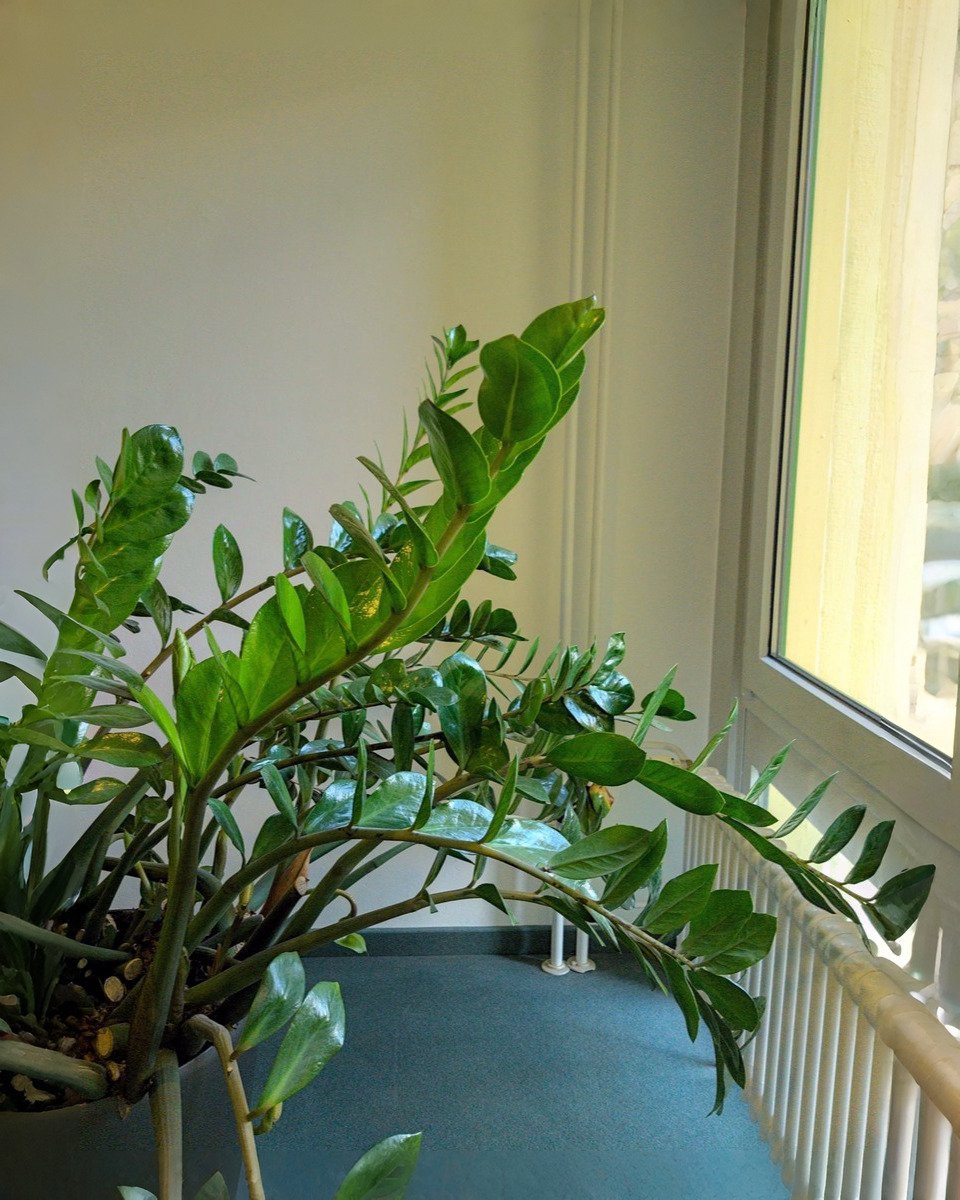
The ZZ plant, scientifically known as Zamioculcas zamiifolia, is one of the easiest indoor plants to grow. It is popular among beginners because it tolerates low light and requires relatively little water. Also, it can stay healthy even if you occasionally forget to water it. The ZZ plant is a tropical perennial plant native to eastern Africa. It has thick, upright stems with glossy green leaves. Underground, it develops thick rhizomes that store water, which helps the plant survive periods of dryness.
Because of these water-storing rhizomes, ZZ plants are much more tolerant of missed waterings than many other houseplants.
Choose the Right Location to Grow Your ZZ Plant
Place your ZZ plant in a spot with bright, indirect light for optimal growth. It can also tolerate low-light conditions, although growth may be slower. Avoid strong, direct afternoon sunlight because it can scorch the leaves.
Good locations include a well-lit room away from direct sunlight. Place your plant near a window where it receives plenty of natural light, but avoid prolonged exposure to direct sunlight.
Use Well-Draining Soil to Grow Your ZZ Plant
ZZ plants have thick underground rhizomes that store water, so they don’t like staying in wet soil. Use a loose, well-draining potting mix. The most important thing is that excess water can drain away easily.
Pick a Pot With Drainage Holes
Choose a pot with at least one drainage hole at the bottom. Avoid keeping the plant in a decorative container where water can collect around the roots. Poor drainage is one of the most common causes of ZZ plant problems.
Water Only When the Soil Is Dry
One of the most important aspects of ZZ plant care is avoiding overwatering. ZZ plants store water in their rhizomes, so they don’t need frequent watering. Before watering, check the soil with your finger. If it is still noticeably moist, wait a little longer. If the upper portion of the soil has dried out, you can water the plant thoroughly. When watering slowly, water the soil and allow excess water to drain from the bottom. Empty any water collected in the saucer. Wait until the soil dries before watering again.
Avoid watering on a fixed daily schedule. Do not water simply because a certain number of days have passed. How often your ZZ plant needs water depends on the season, light, temperature, pot size, soil, and humidity.
Maintain a Comfortable Temperature
ZZ plants generally grow well in normal indoor temperatures. Keep the plant away from Cold drafts, Air-conditioner vents, and very hot heaters. Also, keep it away from Sudden temperature changes. A comfortable indoor environment is usually sufficient.
Fertilize Lightly
ZZ plants are relatively slow-growing and don’t require heavy feeding.
During the active growing season, you can occasionally use a balanced, diluted houseplant fertilizer according to the product instructions. Avoid applying excessive fertilizer, as it can damage roots or cause fertilizer buildup in the soil.
Keep the Leaves Clean
ZZ plants are known for their glossy foliage, but dust can accumulate on their broad leaves over time, making them look dull. Gently wipe the leaves with a soft, damp cloth when necessary. This also helps keep the foliage looking clean and attractive. Gently wipe the leaves with a soft, damp cloth when necessary. This also helps keep the foliage looking attractive.
Handle the leaves and stems gently to avoid unnecessary damage.
Repot ZZ Plant When Necessary
ZZ plants don’t need frequent repotting. Consider repotting when Roots are coming out of the drainage holes, or the plant has become severely root-bound. Also consider repotting when the pot is becoming unstable because the plant has grown larger or the soil has deteriorated and no longer drains properly.
Choose a new pot only slightly larger than the current one and use fresh, well-draining soil.
Common ZZ Plant Problems
A few yellow leaves can occur naturally as older leaves age. However, widespread yellowing can be a sign of overwatering or poor drainage. Check the soil before watering again and make sure the pot drains properly.
Brown tips can result from inconsistent watering, very dry conditions, excessive fertilizer, or other environmental stress. Check the plant’s watering routine and make sure it is growing in suitable soil and light.
Drooping can occur due to watering issues, insufficient light, or other stress. Check the soil moisture first and make sure the plant isn’t sitting in water.
Slow growth is normal for ZZ plants. Low light, cool temperatures, and limited nutrients can make growth even slower. If you want more growth, provide suitable bright indirect light and good growing conditions.
Constantly wet soil can cause serious problems with the roots and rhizomes. If you notice a rotten smell, mushy roots, or soft, damaged rhizomes, remove the plant from the wet soil and inspect the roots. Remove severely damaged portions with a clean tool and repot the healthy parts in fresh, well-draining soil.
How to Propagate a ZZ Plant
ZZ plants can be propagated in several ways, including leaf cuttings, stem cuttings, and division. For beginners, division is often easier when the plant has several established stems and rhizomes.
Propagation by Division
Division is a practical method when you already have a mature ZZ plant with multiple stems and established rhizomes. Carefully remove the plant from its container and separate the plant into sections, keeping healthy roots and rhizomes attached to each section. Plant each section in an appropriate container with well-draining soil. Also, water carefully and allow the soil to dry between waterings.
Propagation can be slow, so patience is important.
Propagation From Stem or Leaf Cuttings
You can also propagate ZZ plants from stem or leaf cuttings. However, new roots and rhizomes may take considerable time to develop.
Propagation from stem or leaf cuttings is a simple way to grow new ZZ plants from an existing one. To do this, cut a healthy stem or remove a few leaves, then allow the cuttings to dry for a few hours so the cut surface can callous. After that, place them in well-draining soil or in water. Keep them in a warm location with bright, indirect light and avoid overwatering. Be patient, as it can take several weeks or even months for roots and new growth to develop.
This method requires patience, so don’t be discouraged if you do not see new growth quickly.
Frequently Asked Questions
Are ZZ plants toxic to cats?
Yes. ZZ plants contain calcium oxalate crystals and can be harmful if cats or other pets chew or ingest them. Keep the plant away from pets and children.
Can ZZ plants grow in low light?
Yes. ZZ plants tolerate low light quite well, although they usually grow faster in brighter indirect light.
How long can a ZZ plant live?
With appropriate care, a ZZ plant can live for many years indoors. Its slow growth and ability to tolerate less-than-perfect conditions make it a particularly durable houseplant.
Does a ZZ plant need direct sunlight?
No. ZZ plants generally prefer bright, indirect light. Strong direct sunlight, especially intense afternoon sun, can scorch foliage.